Your Resume Waits to Be Sent. Your LinkedIn Gets Found. Here Is the Difference.
Deepali Vyas has 25 years in executive search. She is the Global Head of Executive Search at ZRG, with 1.75 million LinkedIn followers. She has placed analysts, CEOs, and board members across industries and geographies. When she says something plainly about how hiring works, it is worth listening to.
Here is what she said: “When your LinkedIn is strong, polished and visible, opportunities find you.”
Not “when your resume is updated.” Not “when you apply to the right jobs.” When your LinkedIn is strong, polished, and visible.
That one sentence describes a shift in how hiring actually works in 2026 and most professionals have not caught up with it yet.
The way most people treat LinkedIn
Most professionals treat LinkedIn like a digital resume. They create a profile when they are job hunting, upload the same information that is on their CV, add a profile photo if they remember, and leave it alone until the next time they need it.
This approach made some sense ten years ago. It makes almost no sense today.
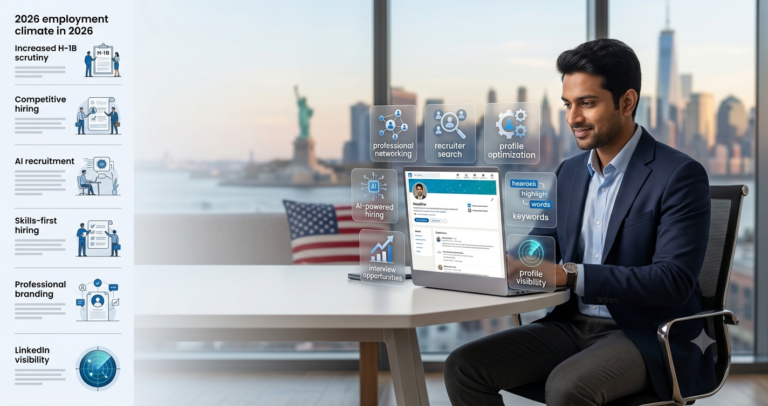
LinkedIn is not a digital resume. It is a search engine. And like any search engine, it surfaces results based on relevance, keywords, and signals that most people have never thought about when building their profile.
When a recruiter is hiring for a role, they do not post a job and wait for applications. Not exclusively. They open LinkedIn Recruiter, type in the skills and titles they are looking for, apply filters for location and experience, and get a list of profiles. They then skim through that list and reach out to the ones that look right.
If your profile is not built to appear in that search, you are not in the conversation. Even if your experience is exactly what they are looking for.
Your resume waits. Your LinkedIn gets found.
This is the fundamental difference between the two, and it changes everything about how you should think about your LinkedIn profile.
A resume is reactive. You send it when you decide to apply for something. It only goes where you direct it. It waits in your downloads folder until you need it, and then it waits in a recruiter’s inbox until they get to it. The resume does nothing unless you put it into motion.
A LinkedIn profile is active. It is out there, indexed, searchable, visible around the clock. A recruiter could be searching for someone with your exact skills at 11pm on a Tuesday and find your profile without you doing anything. You have no idea the search happened. You may never know. But if your profile is strong, you might get a message the next morning.
That is not luck. That is what visibility does.
What “strong, polished and visible” actually means
Deepali Vyas used three words deliberately. Each one matters.
Strong means your profile communicates genuine value clearly. Your headline tells a recruiter exactly what you do. Your About section speaks to the roles you want, not just the roles you have had. Your experience section shows impact, not just activity. A strong profile passes the 8-second scan that every recruiter runs before deciding whether to read further.
Polished means it looks professional and feels considered. Your photo is clear and appropriate. Your banner is not a generic LinkedIn default. There are no spelling errors, no incomplete sections, no inconsistencies between your profile and your actual career. A polished profile signals that you take your professional presence seriously.
Visible means the right people can find you. This is the technical side of LinkedIn that most people overlook entirely. Visibility comes from keywords placed in the right sections, a complete profile that LinkedIn’s algorithm rewards, and consistency that builds searchability over time. A profile can be strong and polished and still invisible if the keyword foundations are not in place.
All three matter. One without the others does not produce the result.
Why experience alone is not enough
This is the part that surprises most professionals when they first hear it.
You can have exactly the right experience for a role and still not appear when a recruiter searches for it. Not because you are not qualified. Because your profile is not telling LinkedIn what you are qualified for in the language the algorithm understands.
If a recruiter searches “supply chain manager Pune” and those exact words are not in your headline, About section, or experience descriptions, you are unlikely to appear. Your profile might say “Operations Lead” with responsibilities that are clearly supply chain management but if the phrase is missing, the algorithm does not make that connection for you.
This is keyword alignment. It is not about stuffing your profile with buzzwords. It is about making sure the language you use matches the language recruiters actually search for. The difference between appearing on page one of results and being invisible often comes down to a few specific words placed in the right fields.
Visibility is a choice
Here is the thing about everything above: none of it is complicated. It is just deliberate.
A strong, polished, visible LinkedIn profile does not happen by accident. You do not upload your CV, pick a photo, and end up discoverable. You make specific choices about what your headline says, how your About section opens, which keywords appear where, what your experience bullets communicate.
Most professionals have not made those choices consciously. They put up a profile and moved on. Which means their LinkedIn is doing much less work for them than it could be.
The good news is that this is fixable. The changes that move a profile from invisible to visible are specific and concrete. A different headline. A rewritten About section. Keywords placed in the right sections. These are not small tweaks — they change what the algorithm surfaces and what a recruiter sees when they land on your profile.
What to do today
Start with your headline. Open your LinkedIn profile and read the line directly below your name. Ask yourself: if a recruiter searched for the role I want, does this headline help them find me?
If the answer is no or if you are not sure that is where to start. Your headline is the most indexed field on LinkedIn. Changing it has immediate impact on your visibility in search results.how
If you want a full picture of where your profile stands every section scored, every keyword gap identified, specific recommendations for what to change and why that is exactly what the Rite Ascent Profile Audit delivers. Starting at ₹999, delivered within 48 hours. See the full details here.
Deepali Vyas said it plainly. Opportunities find you when your LinkedIn is strong, polished and visible. That is not inspiration. That is how hiring works in 2026.